Tradies in Australia are in high demand, and knowing how much you can earn per hour is crucial whether you're starting out, negotiating a raise, or considering a career change. But nailing down an exact figure isn't always straightforward. Several factors influence a tradie's hourly rate, from experience and qualifications to location and the specific trade. This post dives into the details of tradie pay in Australia, providing insights to help you understand your worth and maximise your earning potential.
How Much Do Tradies Really Earn Per Hour in Australia?
It's the question on every tradie's mind: how much should I be earning? While there's no single answer, understanding the factors that influence hourly rates is key.
Factors Affecting Tradie Hourly Rates:
- Experience and Qualifications: As with any profession, experience counts. Apprentices typically start at lower rates, gradually increasing as they gain skills and complete their training. Fully qualified and licensed tradies command higher hourly rates. Additional certifications and specialisations can further boost your earning potential. For example, a plumber certified in gas fitting will likely earn more than a general plumber.
- Location, Location, Location: City vs. Country, State vs. State. Demand for tradies can vary significantly depending on location. Metropolitan areas and booming regional centres often have higher rates due to increased demand and a higher cost of living. States with strong construction or mining industries may also offer more lucrative opportunities.
- The Specific Trade: Some trades are simply in higher demand than others. Electricians, plumbers, and carpenters, for example, are consistently sought after. Trades requiring specialised skills or dealing with hazardous materials may also command higher rates due to the increased risk and expertise involved. Think about high-voltage electricians or asbestos removal specialists.
- Employment Type: Are you an employee or a contractor? Employees typically receive a set hourly rate, plus benefits like superannuation, annual leave, and sick leave. Contractors, on the other hand, set their own rates and are responsible for their own taxes, insurance, and superannuation. Contractor rates are generally higher to compensate for these added responsibilities and lack of benefits.
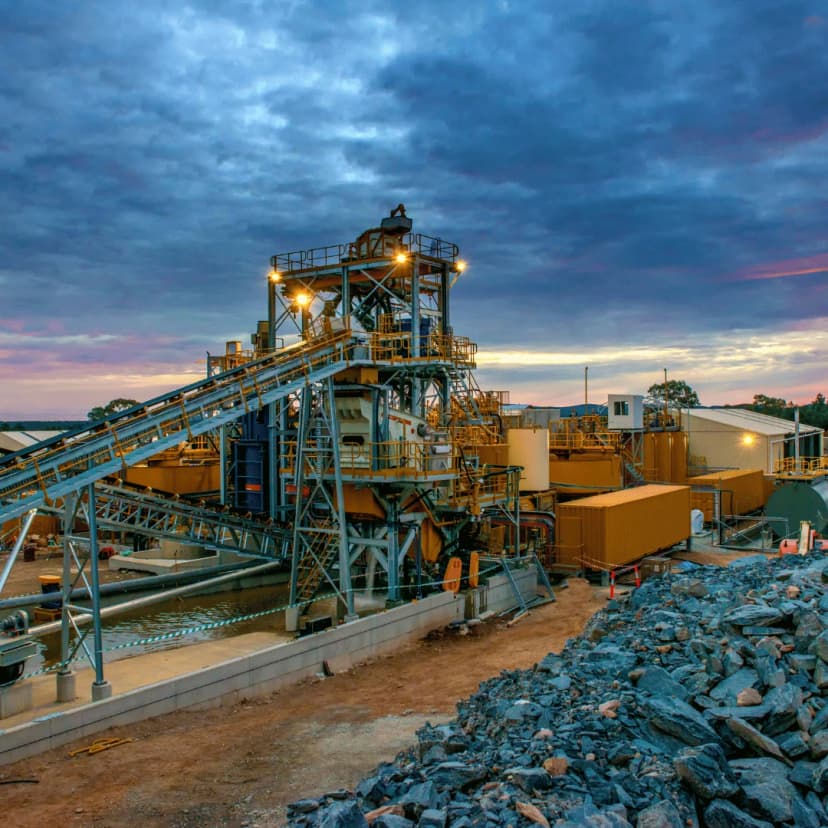
- Industry: Tradies working in the mining and resources sector often earn significantly more than those in residential construction or maintenance. This is due to the remote locations, demanding work conditions, and the high value of the projects.
So, What are the Average Hourly Rates?
While pinpointing an exact average is difficult, here's a general overview of typical hourly rates for common trades in Australia (as of late 2024):
- Electrician: $45 - $75+
- Plumber: $45 - $80+
- Carpenter: $40 - $70+
- Mechanic: $35 - $65+
- Builder: $40 - $75+
- Landscaper: $30 - $55+
These are just estimates, and actual rates can vary based on the factors mentioned above. It's always a good idea to research specific rates in your area and trade.
Researching Your Worth: A Practical Checklist
- Online Salary Surveys: Websites like Payscale, Indeed, and Salary.com.au provide salary data based on job titles and locations.
- Industry Associations: Many industry associations offer salary guides or surveys for their members.
- Recruitment Agencies: Talk to recruitment consultants specialising in your trade. They have up-to-date knowledge of market rates and can provide valuable insights.
- Networking: Chat with other tradies in your area. Discussing rates can give you a realistic understanding of what's being paid.
- Job Ads: Review job advertisements for similar roles to see what employers are offering.
Negotiating Your Hourly Rate: Tips for Success
Knowing your worth is only half the battle. You also need to be able to confidently negotiate your hourly rate.
Here's how:
- Preparation is Key: Research market rates in your area and trade. Gather evidence of your skills, experience, and qualifications.
- Highlight Your Value: Focus on what you bring to the table. Emphasise your problem-solving skills, attention to detail, and commitment to quality workmanship.
- Be Confident: Project confidence and belief in your value. Avoid apologising or undervaluing your skills.
- Know Your Bottom Line: Determine the minimum hourly rate you're willing to accept before entering negotiations.
- Be Prepared to Walk Away: If the employer is unwilling to meet your minimum requirements, be prepared to walk away. There are plenty of other opportunities out there.
Let's say you're a qualified electrician with 5 years of experience, working in Sydney. You've researched online and found that the average hourly rate for electricians in Sydney is $60-$70. You also have certifications in solar panel installation and smart home technology, making you a valuable asset.
Here's a possible negotiation sequence:
- Express Enthusiasm: "I'm very interested in this opportunity and excited about the chance to contribute my skills to your team."
- State Your Desired Rate: "Based on my research and experience, I'm looking for an hourly rate in the range of $70-$75."
- Justify Your Rate: "I have 5 years of experience as a qualified electrician, and I'm certified in solar panel installation and smart home technology. I'm confident I can bring significant value to your projects."
- Listen to the Employer's Offer: Pay attention to their response and be prepared to negotiate.
- Negotiate and Compromise (If Necessary): "While I understand your budget, I believe my skills and experience justify a higher rate. Would you be willing to meet me halfway at $72.50?"
- Confirm the Agreement: "Great! I'm happy to accept $72.50 per hour. I'm looking forward to starting."
Winning More Interviews in the Technical Industries
A well-crafted resume and cover letter are essential for landing interviews in competitive technical industries. Your documents need to showcase your skills, experience, and qualifications in a way that resonates with employers. They also need to be ATS-friendly to ensure they get past the initial screening process.
Showcase your experience in the trades with a targeted resume and cover letter.
Is your resume up to scratch? Do you need to target a specific sector, such as mining or oil and gas? Do you want a promotion? The team at Resume Writing Australia understands the specific requirements of the Australian job market and can help you create a compelling application that gets results.
Ready to take your career to the next level?
Contact Resume Writing Australia today for a free consultation and discover how we can help you land your dream job. Our expert resume writers will work with you to create a professional, ATS-friendly resume and cover letter that showcases your skills and experience and helps you stand out from the competition.
Don't let a poorly written resume hold you back. Invest in your future and partner with Resume Writing Australia to achieve your career goals.