So, you're thinking about becoming a tradie in Australia or switching trades? Or maybe you're a seasoned professional wondering if you're being paid your worth. The big question is: how much can you really earn? It's a complex question, and the answer isn't always straightforward. It depends on your specific trade, experience level, location, and even the current state of the economy.
This guide cuts through the hype and gives you an honest look at tradie salaries in Australia. We'll cover the factors that influence your earning potential, compare different trades, and give you practical tips to maximise your income.
Factors Affecting Tradie Salaries
Several factors play a significant role in determining how much a tradie earns:
- Trade: Some trades are in higher demand than others, leading to higher pay rates. For example, electricians and plumbers often command higher salaries than painters or landscapers.
- Experience: As with any profession, experience counts. Apprentices typically start at lower wages, gradually increasing as they gain skills and expertise. A fully qualified and experienced tradesperson can earn significantly more.
- Location: Salaries vary across Australia. Metropolitan areas like Sydney and Melbourne generally offer higher wages than regional or rural areas, although the cost of living is also higher. Mining towns can offer lucrative opportunities but often come with specific lifestyle considerations.
- Qualifications and Licences: Having the right qualifications and licences is essential for legal compliance and can also increase your earning potential. Specialised certifications in niche areas can further boost your value.
- Employment Type: Are you an employee, a contractor, or running your own business? Contractors often have the potential to earn more, but they also bear the responsibility for managing their own finances and finding work.
- Economic Conditions: The demand for tradespeople fluctuates with the economy. During construction booms, demand is high, and wages tend to increase. Conversely, during economic downturns, work can be scarce, and wages may stagnate.
Tradie Salary Snapshot: What Can You Expect to Earn?
While individual circumstances vary, here's a general overview of average annual salaries for some common trades in Australia. Note that these are averages and shouldn't be taken as guaranteed income. All salaries exclude superannuation.
- Electrician: $70,000 - $100,000+
- Plumber: $65,000 - $95,000+
- Carpenter: $60,000 - $90,000+
- Builder: $75,000 - $120,000+ (often higher for experienced project managers)
- Mechanic: $55,000 - $85,000+
- Chef: $50,000 - $75,000+ (highly variable based on establishment and experience)
- Landscaper: $50,000 - $70,000+
Mining and Resources Sector: High-Earning Potential
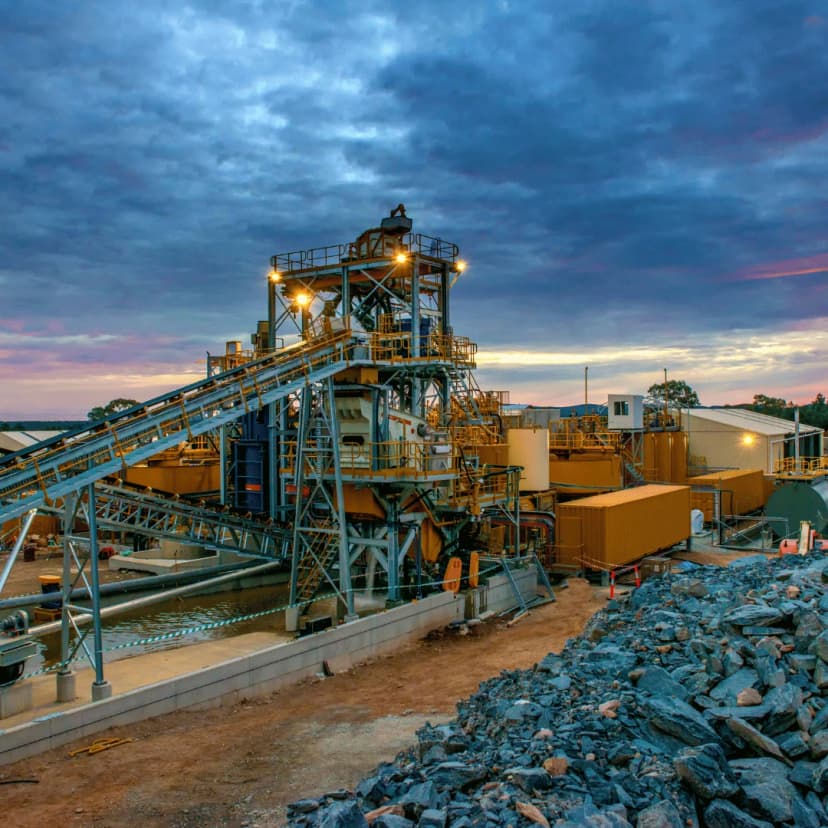
Tradespeople working in the mining and resources sector often earn significantly higher salaries than their counterparts in other industries. This is due to the remote locations, demanding work conditions, and the specialised skills required.
For example, a diesel mechanic working on heavy machinery in a mine site could potentially earn $100,000 - $150,000+ per year. Electricians and plumbers with experience in industrial settings are also in high demand.
How to Maximise Your Tradie Income
Ready to boost your earning potential? Here's a practical approach:
- Upskill: Continuously learn new skills and obtain relevant certifications. For example, an electrician could specialise in solar panel installation or automation systems. A plumber could become certified in backflow prevention or gas fitting.
- Negotiate: Don't be afraid to negotiate your salary or hourly rate. Research industry benchmarks and know your worth. Highlight your experience, skills, and any specialised training you have.
- Consider Contracting: Contracting can offer higher hourly rates, but remember to factor in the costs of running your own business, such as insurance, superannuation, and marketing.
- Location, Location, Location: Be willing to relocate to areas with higher demand for your trade. Mining towns or rapidly developing regions often offer better opportunities.
- Network: Build relationships with other tradespeople, builders, and potential clients. Networking can lead to new job opportunities and referrals.
- Start Your Own Business: This involves risk but can provide the highest potential earnings. Careful planning, a solid business plan, and excellent customer service are essential for success.
Checklist: Are You Earning What You're Worth?
- [ ] Have you researched the average salary for your trade and experience level in your location?
- [ ] Do you have any specialised skills or certifications that set you apart?
- [ ] Are you actively networking and looking for new opportunities?
- [ ] Have you considered the benefits and drawbacks of contracting vs. employment?
- [ ] Are you confident in your ability to negotiate your salary or hourly rate?
- [ ] Is your resume and cover letter up-to-date and highlighting your key skills and achievements?
Practical Action Sequence: Get the Job You Deserve
- Assess Your Skills: What are you good at? What areas do you enjoy? What certifications do you hold?
- Research the Market: Use online resources (like Seek, Indeed, and Payscale) to understand the salary ranges for your trade in different locations.
- Identify Your Ideal Role: What type of work environment do you thrive in? Do you prefer working independently or as part of a team? Do you want to work in residential, commercial, or industrial settings?
- Target Your Applications: Don't just send out generic resumes and cover letters. Tailor your application to each specific job, highlighting the skills and experience that are most relevant.
- Prepare for the Interview: Practice answering common interview questions and be ready to showcase your skills and experience. Research the company and demonstrate your knowledge of the industry.
- Negotiate Your Offer: Once you receive a job offer, don't be afraid to negotiate. Know your worth and be prepared to walk away if the offer doesn't meet your expectations.
Your Resume: The Key to Unlocking Higher Earnings
A professionally written resume and cover letter are essential for showcasing your skills and experience to potential employers. It's your first impression, and it needs to be a strong one. A generic, poorly written resume can hold you back from landing the interviews you deserve and ultimately limit your earning potential.
At Resume Writing Australia, we understand the specific requirements of the Australian job market, particularly in technical industries like oil and gas and mining. We work with you to create an ATS-friendly resume and cover letter that highlights your key skills, achievements, and experience. We focus on strong messaging and tailoring your application to the specific requirements of each job.
Ready to take your career to the next level?
Don't let a weak resume hold you back. Contact Resume Writing Australia today for a free consultation and discover how we can help you land more interviews and earn the salary you deserve. We offer professional resume and cover letter writing services tailored to your specific needs and career goals. Let us help you showcase your value and win the job you've been dreaming of. Book your resume and cover letter update now!