Why Trades Matter in Today’s Economy
If you’ve ever walked past a construction site, switched on a light, taken a car to a mechanic, or watched a factory line run smoothly, you’ve seen trades in action. Trades keep homes safe, cities running, and businesses productive. And here’s the good news: trade careers can be stable, well-paid, and full of growth—especially when you combine hands-on skill with business know-how.
This guide is made for students, apprentices, qualified tradespeople, contractors, and employers who want to understand trade value.
What Trades in Business Really Means
The phrase trades in business refers to how hands-on trade skills work inside organisations and industries—and how they help deliver business results like quality, safety, productivity, and customer satisfaction.
Trade Skills vs Office Skills
- Trade skills are visible and measurable: repairs, installs, maintenance, compliance.
- Office skills support planning, customer service, scheduling, finance, and growth.
The Big Advantage: Skills You Can Prove
- Qualifications and training certificates
- Licences or tickets (where required)
- Safety training records
- Clear job outcomes (projects, installs, maintenance results)
Most Common Trade Pathways in Australia
Apprenticeships and Traineeships
Apprenticeships typically combine paid work with formal training, so you earn while you learn. Employers often look for reliability, safety awareness, and a willingness to learn.
TAFE and Registered Training Organisations
Training providers can help you start, upskill, and add tickets that improve employability. Some people begin with a pre-apprenticeship to show commitment and build core skills.
Licences, Tickets, and Certifications
Many roles require licences or industry tickets, and others are “nice to have.” Aim for tickets that match the jobs you’re applying for.
High-Demand Trades and Where They Fit in Business
Construction and Infrastructure
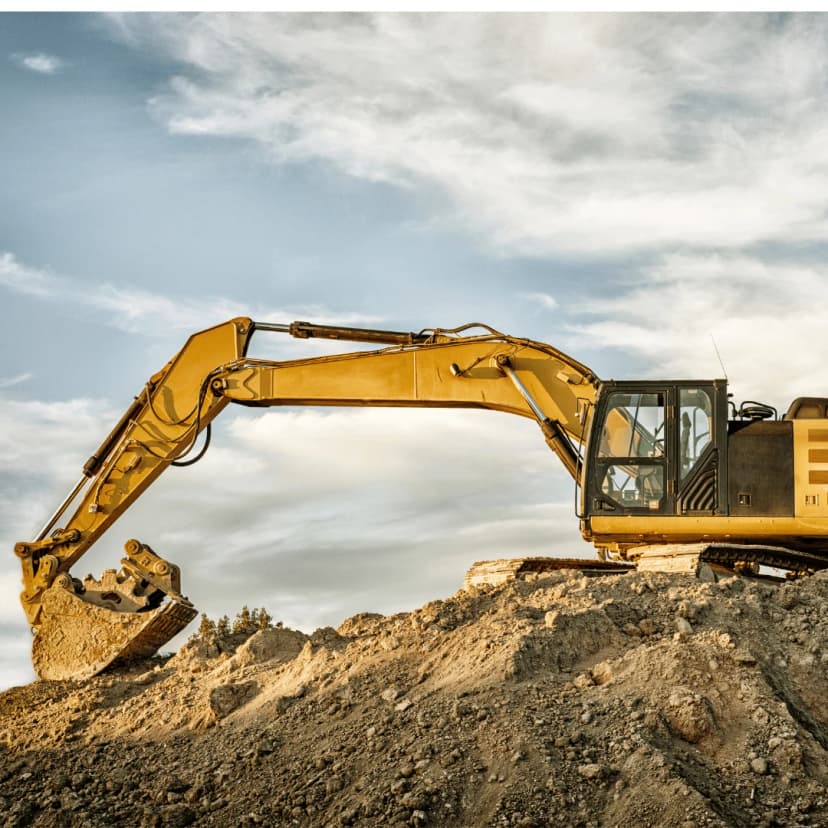
Construction trades support new builds, renovations, commercial fit-outs, and infrastructure projects, with a strong focus on safety and deadlines.
Electrical and Energy
Electrical work covers installs, upgrades, compliance, maintenance, and energy efficiency—where reliability is critical to business continuity.
Automotive and Transport
Automotive trades support repair shops, dealerships, fleet maintenance, heavy vehicles, and logistics operations.
Manufacturing and Maintenance
Tradespeople keep production running through preventive maintenance, breakdown response, and quality support.
How Trades Support Business Growth
Reducing Downtime and Increasing Output
Preventing breakdowns and completing jobs to standard protects deadlines, reduces rework, and saves costs.
Quality Work Builds Reputation
Consistent quality drives referrals, repeat work, and long-term contracts—especially in service-based trade businesses.
Money Matters: Earnings, Rates, and Career Progression
Earnings vary by qualification level, industry, location, and specialisation. Adding leadership skills can open pathways to senior roles, supervision, estimating, or business ownership.
Employee vs Contractor
Employees get stability and benefits; contractors may earn higher rates but manage costs, tax, insurance, and quiet periods.
From Apprentice to Supervisor
- Apprentice / trainee
- Qualified tradesperson
- Leading hand / senior tech
- Supervisor / foreman
- Estimator / coordinator / manager
- Business owner or specialist contractor
Starting a Trade Business: The Basics You Can’t Skip
ABN, GST, and Record-Keeping
Track income and expenses, keep invoices and receipts organised, and separate business and personal spending.
Quoting and Pricing with Confidence
Good quoting includes labour, materials, overheads, admin time, and a buffer for surprises to protect your margin.
Tools, Vehicles, and Cash Flow Planning
Budget for essentials first, invoice quickly, and plan for repairs and slow periods.
Soft Skills That Make Tradespeople Stand Out
Client Communication
Clear updates, realistic timeframes, tidy work, and respectful site behaviour build trust and reduce disputes.
Problem-Solving Under Pressure
Stay calm, think safely, communicate early, and propose solutions when surprises pop up.
Safety, Compliance, and Professionalism
Risk, Responsibility, and Reputation
Strong safety habits reduce downtime, protect your employability, and build trust with employers and clients.
Writing a Trade Resume That Gets Interviews
What Hiring Managers Want to See
- Qualification level, licences, tickets
- Type of sites and environments
- Tools/equipment and systems experience
- Safety focus and measurable outcomes
Best Formats for Trade Roles
Reverse chronological works for most; a hybrid format helps if you’re changing industries or have gaps.
Cover Letters for Trades
Keep it short: role, fit, proof points, and a friendly call to action.
For help tailoring your resume for Australian employers, visit: Resume Writing Australia
Interview Tips for Trade Roles
Talking About Tools, Safety, and Results
Explain what the job was, the problem, what you did safely, and the result.
Real-World Scenarios: Trade Careers in Different Industries
- Facilities maintenance: reliability, safety, minimal disruption.
- Mining/remote: strict safety, teamwork, resilience.
- Commercial construction: coordination and deadlines.
- Manufacturing: uptime and preventive maintenance.
FAQs
1) Are trades a good long-term career in Australia?
Yes. Trades can offer stability, clear progression, and opportunities to specialise or move into leadership and business ownership.
2) What’s the best pathway if I don’t have experience yet?
Pre-apprenticeships, entry-level roles, and training can help. Employers value reliability and willingness to learn.
3) Do I need licences and tickets to get hired?
Some are required depending on the role and site. Others are helpful, especially if they match the jobs you apply for.
4) Is it better to be an employee or a contractor?
Employees get stability; contractors may earn more but manage extra costs and admin. Choose based on goals and readiness.
5) What should I put on a trade resume if I’m an apprentice?
Highlight safety, reliability, tools used, site exposure, tickets, and what you’ve learned.
6) How do I prove my value if I don’t have “big achievements”?
Use practical proof: jobs completed, safety checks, maintenance routines, reduced call-backs, and supervisor feedback.
7) What’s one thing that instantly improves a trade resume?
Specific bullet points that show tools, tasks, environments, and outcomes.
Conclusion: Your Next Step Toward a Stronger Career
Trades are a core part of how businesses deliver quality, safety, productivity, and customer satisfaction. Combine your technical skills with strong communication and a proof-focused resume to unlock better opportunities.